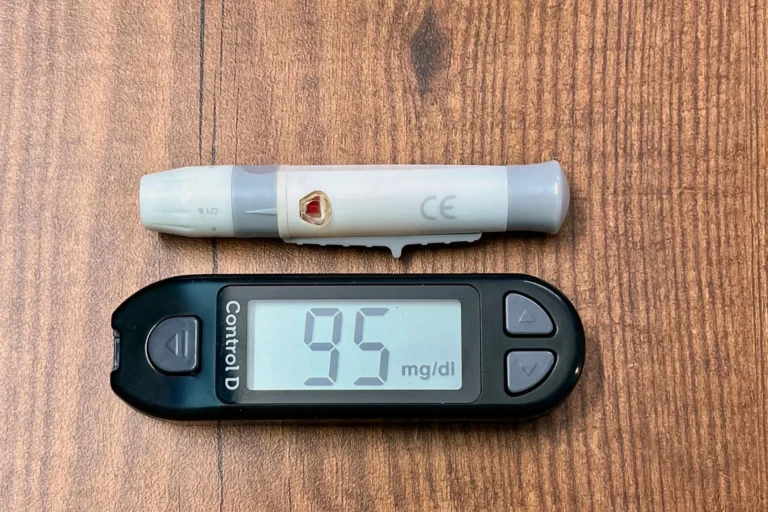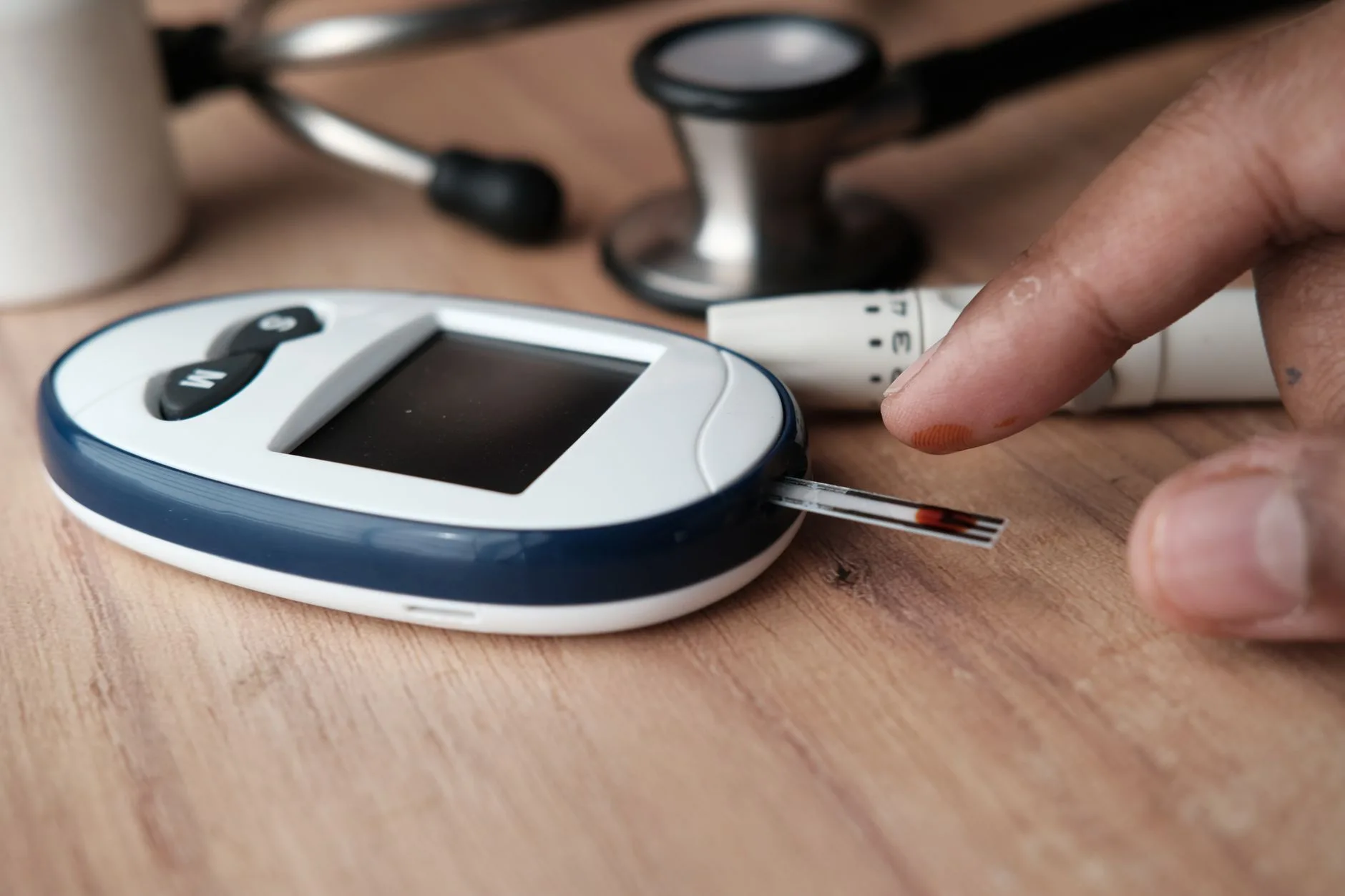
How often should you check your blood sugar?

How often to check blood sugar depends on your diabetes type and treatment. Get evidence-based testing schedules for type 1, type 2, and prediabetes.
Knowing how often to check blood sugar depends mainly on your diabetes type and treatment plan: people on insulin often test 4 to 10 times daily, while those managing type 2 diabetes with oral medication or lifestyle changes may only need 1 to 2 checks per day or fewer. If you have prediabetes and no medication, occasional monitoring guided by your clinician is usually enough.
Key Takeaways
- Testing frequency is personal — it depends on your diabetes type, medications, and blood sugar stability.
- Insulin users check most often; well-controlled type 2 patients on lifestyle management check least.
- Continuous glucose monitors (CGMs) are reducing the need for repeated finger-stick tests.
- Structured testing at specific times (fasting, pre-meal, post-meal) gives more useful data than random checks.
- Supporting natural glucose control alongside monitoring helps you interpret trends, not just numbers.
What Does “Checking Blood Sugar” Actually Mean?
The key takeaway: Checking blood sugar means measuring the amount of glucose in your blood at a given moment, usually with a finger-stick glucometer or a continuous glucose monitor.
Blood glucose (blood sugar) is the primary energy source for your cells, regulated by the hormone insulin. When this regulation breaks down — as in type 1 and type 2 diabetes — monitoring becomes the way you track how food, activity, stress, and medication affect your levels.
A single reading is a snapshot. The real value comes from patterns across days and weeks, which is why frequency matters as much as the number itself.
Blood Sugar Measurement Terms Defined
- Fasting blood glucose: A reading taken after at least 8 hours without food, typically first thing in the morning.
- Postprandial glucose: A reading taken 1 to 2 hours after eating a meal.
- HbA1c: A lab test reflecting your average blood sugar over roughly 2 to 3 months.
- CGM (Continuous Glucose Monitor): A wearable sensor that reads glucose in interstitial fluid every few minutes.
Global figures are drawn from the International Diabetes Federation Diabetes Atlas, and target ranges follow the American Diabetes Association (ADA) monitoring guidance.
How Often to Check Blood Sugar by Diabetes Type
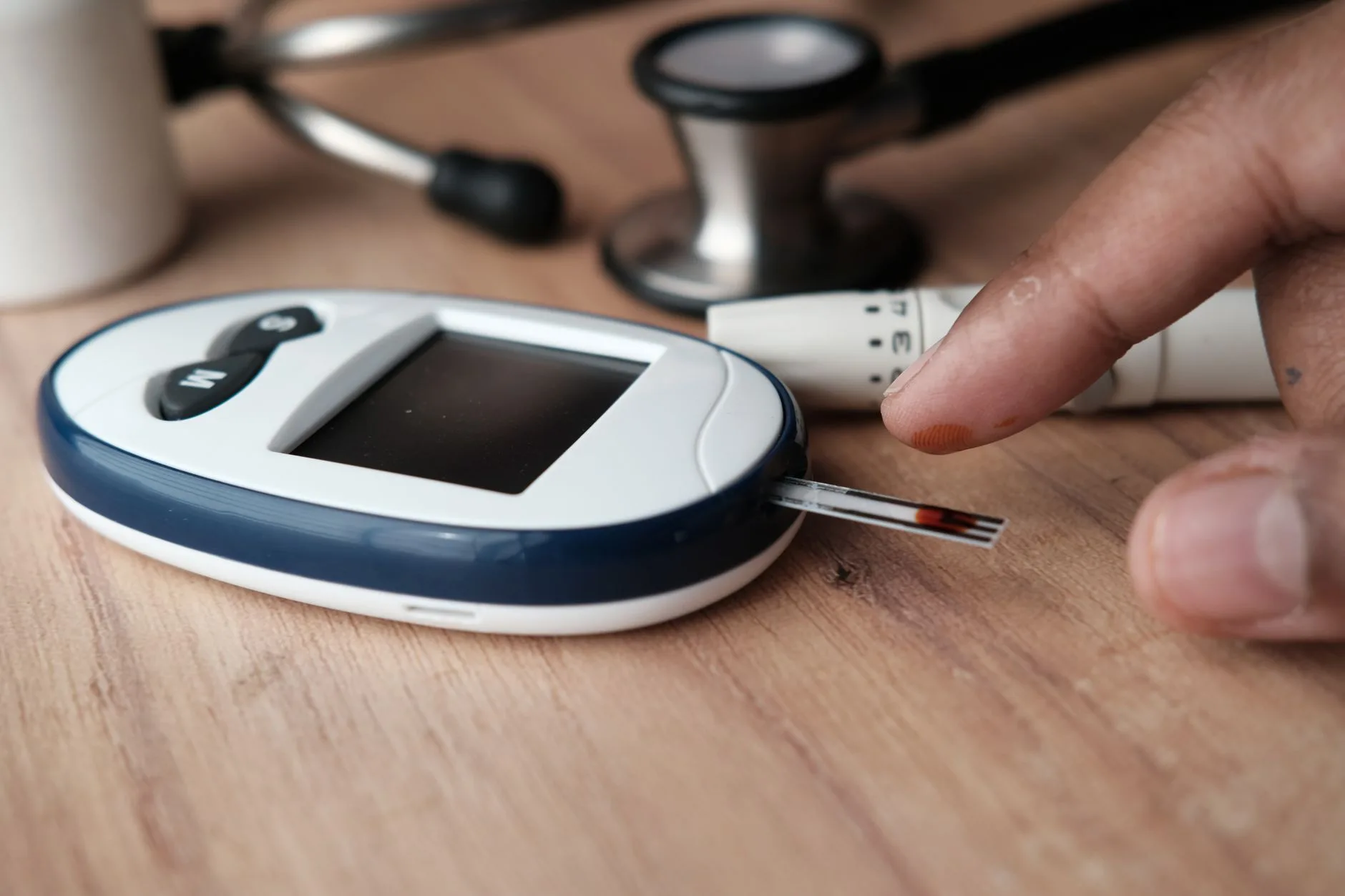
The key takeaway: There is no universal number — testing frequency scales with how much your treatment can push blood sugar too low or too high.
Below is a general reference. Your own clinician’s plan always overrides a general guide, especially if your levels are unstable or you’re adjusting medication.
| Profile | Typical checks/day | Best times to test |
|---|---|---|
| Type 1 diabetes (multiple insulin doses) | 4–10+ | Before meals, before bed, before/after exercise, when symptomatic |
| Type 2 on insulin | 2–4 | Fasting, before meals, bedtime |
| Type 2 on oral meds (e.g., sulfonylureas) | 1–2 | Fasting and occasionally post-meal |
| Type 2 on metformin or lifestyle only | 0–1 or as advised | Fasting or targeted spot-checks |
| Prediabetes (no medication) | Occasional / periodic | Fasting, guided by clinician |
| Gestational diabetes | 4 | Fasting and 1–2h after each meal |
Type 1 Diabetes: Most Frequent Monitoring
People with type 1 diabetes have little to no natural insulin, so blood sugar can swing quickly. Frequent checks — or continuous monitoring — help prevent both dangerous lows (hypoglycemia) and sustained highs.
Type 2 Diabetes: Frequency Follows Treatment
For type 2 diabetes, the risk of hypoglycemia is the deciding factor. Someone on insulin or sulfonylureas needs more checks than someone managing glucose through diet, movement, and a metabolic health supplement routine, because their medication can drive sugar too low.
Research summarized by the U.S. Centers for Disease Control and Prevention (CDC) emphasizes that testing should generate actionable information — data you can respond to — rather than checking for its own sake.
Prediabetes: Less Testing, More Prevention
With prediabetes and no glucose-lowering medication, daily finger-sticks are usually unnecessary. Periodic fasting checks plus an annual HbA1c are often enough to catch progression early.
When Should You Check More Often?
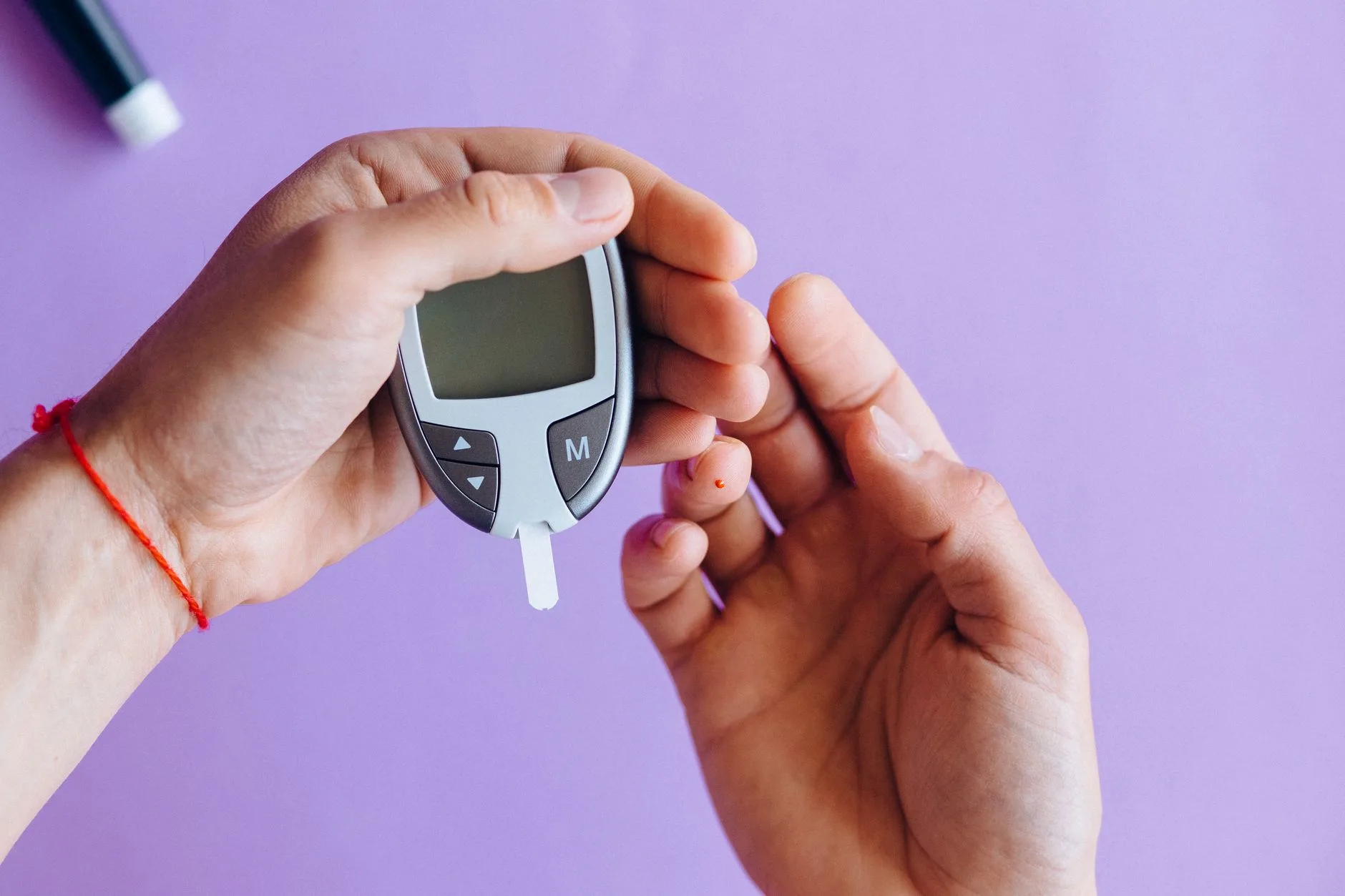
The key takeaway: Certain situations temporarily raise your ideal testing frequency, even if your baseline is low.
Check more often when circumstances change your normal glucose response:
- You started a new medication or changed a dose.
- You’re sick, injured, or under significant stress.
- You changed your diet, exercise routine, or weight significantly.
- You feel symptoms of low blood sugar: shakiness, sweating, confusion, or dizziness.
- You’re pregnant or planning pregnancy.
- Your readings have been unusually high or low.
Health note: This article is educational and not medical advice. Always set your personal testing schedule with a licensed healthcare provider, and never stop or change prescribed medication on your own.
Finger-Stick vs. Continuous Glucose Monitoring (CGM)
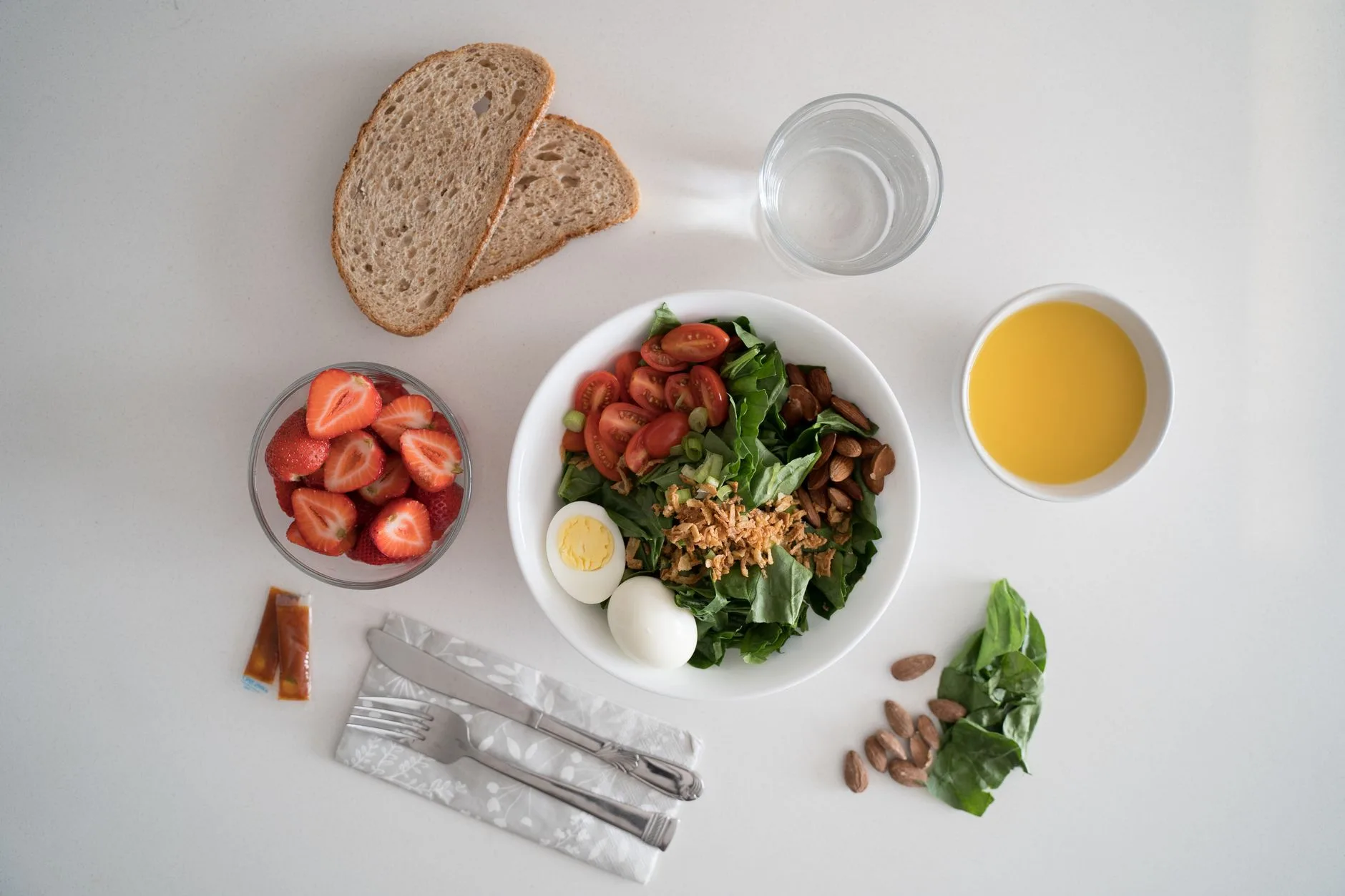
The key takeaway: CGMs are steadily replacing routine finger-sticks for many users because they show trends and direction, not just isolated numbers.
A traditional glucometer gives one accurate reading per test. A CGM gives a reading every few minutes and can alert you before a high or low becomes dangerous.
Pros of CGM
- Continuous data with trend arrows
- Fewer painful finger-sticks
- Alarms for highs and lows
- Reveals overnight and post-meal patterns
Cons of CGM
- Higher ongoing cost
- May need periodic finger-stick calibration
- Sensor adhesion or skin irritation for some
- A short lag versus blood readings
The National Institute of Diabetes and Digestive and Kidney Diseases (NIDDK) notes that CGM use continues to expand for both type 1 and type 2 patients as devices become smaller and more accurate.
How to Make Each Test Count (Our Editorial Perspective)
The key takeaway: In our analysis of common monitoring mistakes, the problem is rarely testing too little — it’s testing without a purpose.
We’ve found that people who log why they tested (before a meal, after exercise, feeling unwell) learn far more than those who simply record numbers. A reading of 160 mg/dL means something different after pancakes than after an overnight fast.
Here is a practical framework we recommend for turning readings into insight:
- Pair every reading with context — food, activity, medication, and time.
- Use “testing in pairs” — check before a meal and again 2 hours later to see your true glucose response.
- Review weekly, not just daily — patterns matter more than single spikes.
- Bring your log to appointments — it helps your provider fine-tune your plan.
This “testing in pairs” habit is our practical information-gain point: it doubles the usefulness of the same number of tests without increasing how often you check overall.
Where Natural Glucose Support Fits Into Monitoring
The key takeaway: Monitoring tells you what’s happening; a stable daily routine — nutrition, movement, sleep, and supportive supplementation — influences why those numbers move.
Many people managing type 2 diabetes combine monitoring with lifestyle strategies aimed at steadier levels throughout the day. Interest in natural glucose control and metabolic health supplements has grown alongside wider CGM adoption, because users can now see how daily habits shift their trends.
In our editorial reviews of the category, formulas marketed as a natural blood sugar stabilizer — such as GlycoPezil, positioned as a 100% natural formula for type 2 support — are best viewed as one part of a broader plan that still centers on regular monitoring and clinician guidance. A supplement does not replace testing; it’s a habit that your testing data can help you evaluate over time.
Frequently Asked Questions
How many times a day should a type 2 diabetic check blood sugar?
It depends on treatment: type 2 patients on insulin often check 2 to 4 times daily, those on oral medications like sulfonylureas usually check 1 to 2 times, and people managing with metformin or lifestyle alone may check rarely or only when advised. Your clinician sets the exact number based on how stable your levels are.
What is the best time of day to check blood sugar?
The two most informative times are fasting (first thing in the morning, before eating) and 1 to 2 hours after a meal. Fasting shows your baseline, while post-meal readings show how your body handles food.
Do I need to check blood sugar if I don’t take insulin?
Often less frequently. Without insulin or sulfonylureas, the risk of low blood sugar is small, so many people only need occasional fasting checks and periodic HbA1c tests — unless a provider recommends more based on your situation.
Is a continuous glucose monitor better than finger-sticks?
For many users, yes, because a CGM reveals trends, overnight lows, and post-meal spikes that spot finger-sticks miss. However, CGMs cost more and may still need occasional finger-stick calibration, so the best choice depends on your needs and access.
Can lifestyle changes reduce how often I need to test?
Sometimes. As blood sugar becomes more stable through diet, exercise, weight management, and clinician-approved support, some people are advised to test less frequently. Any change to your testing schedule should be confirmed with your healthcare provider.
Conclusion
In summary: How often you check blood sugar is not a fixed rule but a reflection of your diabetes type, medications, and stability. Insulin users test most; well-controlled type 2 and prediabetes patients test least.
The smartest monitoring habit is not simply checking more — it’s checking with purpose, pairing readings with context, and reviewing patterns over time. That approach turns a stream of numbers into decisions you and your clinician can act on.
Once you understand your own testing rhythm, the next step is supporting steadier daily glucose through nutrition, movement, and habits your data can help you evaluate. For readers exploring natural glucose control alongside monitoring, GlycoPezil is presented as a 100% natural formula developed to support healthy blood sugar levels for people managing type 2 diabetes.
Use it as one part of a plan built around consistent testing and professional guidance, not as a replacement for either.