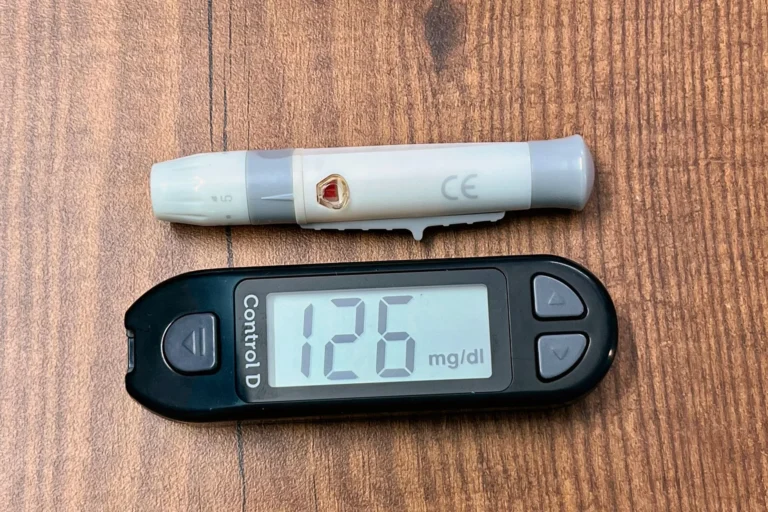
What Happens to Your Blood Sugar When You Take Fish Oil Supplements? – Health: Trusted and Empathetic Health and Wellness Information
Fish oil supplements, rich in omega-3 fatty acids, have emerged as a subject of growing interest among individuals managing blood sugar levels. Recent health information reveals that fish oil may influence glucose metabolism through multiple physiological pathways, potentially offering benefits for those concerned about metabolic health and blood sugar stability.
The Connection Between Omega-3 Fatty Acids and Glucose Metabolism
Fish oil supplements contain two primary types of omega-3 fatty acids: eicosapentaenoic acid (EPA) and docosahexaenoic acid (DHA). These bioactive compounds interact with the body’s metabolic processes in ways that can affect how cells respond to insulin and utilize glucose. Research suggests that omega-3 fatty acids may enhance cellular sensitivity to insulin, which is a key factor in maintaining stable blood sugar levels.
The mechanism behind this effect involves the incorporation of omega-3 fatty acids into cell membranes, where they can improve membrane fluidity and optimize receptor function. When cell membranes become more responsive, insulin signaling improves, and glucose can be more efficiently transported into cells for energy production. This improved glucose utilization may help individuals maintain more stable blood sugar readings throughout the day.
Potential Benefits for Blood Sugar Management
Multiple health information sources indicate that fish oil supplementation may provide measurable benefits for blood sugar control. Individuals who incorporate fish oil into their daily routine often report more stable glucose levels, which can contribute to improved overall energy levels and reduced blood sugar-related fluctuations. The anti-inflammatory properties of omega-3 fatty acids may also support metabolic health by reducing systemic inflammation that can interfere with healthy glucose metabolism.
Additionally, fish oil supplements may help support healthy triglyceride levels, which are closely linked to glucose metabolism and metabolic syndrome. By addressing multiple aspects of metabolic health simultaneously, fish oil can serve as a complementary approach to blood sugar management alongside dietary modifications and physical activity.
Important Considerations and Consistency
While fish oil supplements show promise for supporting blood sugar health, consistency and proper dosing are critical factors. Most health professionals recommend discussing fish oil supplementation with a healthcare provider before starting, particularly for individuals taking blood sugar medications or those with specific health conditions. Dosage matters significantly—typical therapeutic doses range from 1,000 to 3,000 milligrams of combined EPA and DHA daily, though individual needs may vary.
It’s also important to note that fish oil works best as part of a comprehensive approach to glucose management that includes balanced nutrition, regular physical activity, stress management, and adequate sleep. No supplement operates in isolation, and the body’s response to fish oil supplementation depends on overall lifestyle factors and individual metabolic characteristics.
Quality and Purity Matters
The effectiveness and safety of fish oil supplements depend significantly on product quality. Third-party tested supplements from reputable manufacturers are more likely to deliver the omega-3 content stated on the label and be free from contaminants such as mercury or other heavy metals. When choosing a fish oil supplement, selecting products that provide transparency about sourcing and testing can ensure you’re receiving a high-quality product that supports your blood sugar management goals.
💡 What This Means
For individuals focused on glucose control through supplementation, fish oil represents a research-backed option that complements traditional blood sugar management strategies. The omega-3 fatty acids in fish oil may enhance insulin sensitivity and support metabolic health, making it a valuable addition to a comprehensive approach to glucose management. Understanding how fish oil interacts with blood sugar metabolism empowers informed decisions about supplement selection and use. This knowledge is particularly relevant for those seeking multi-targeted support for stable glucose levels throughout the day.
Fish oil supplements may enhance insulin sensitivity and support stable blood sugar levels, making them a promising consideration for individuals managing glucose control through targeted supplementation. Understanding how omega-3 fatty acids interact with your metabolic system allows you to make informed choices about which supplements can best support your blood sugar management strategy. Discover Evidence-Based Glucose Control Supplements