Is A 174 Blood Sugar Level High? What It Means And Practical Next Steps – KMU
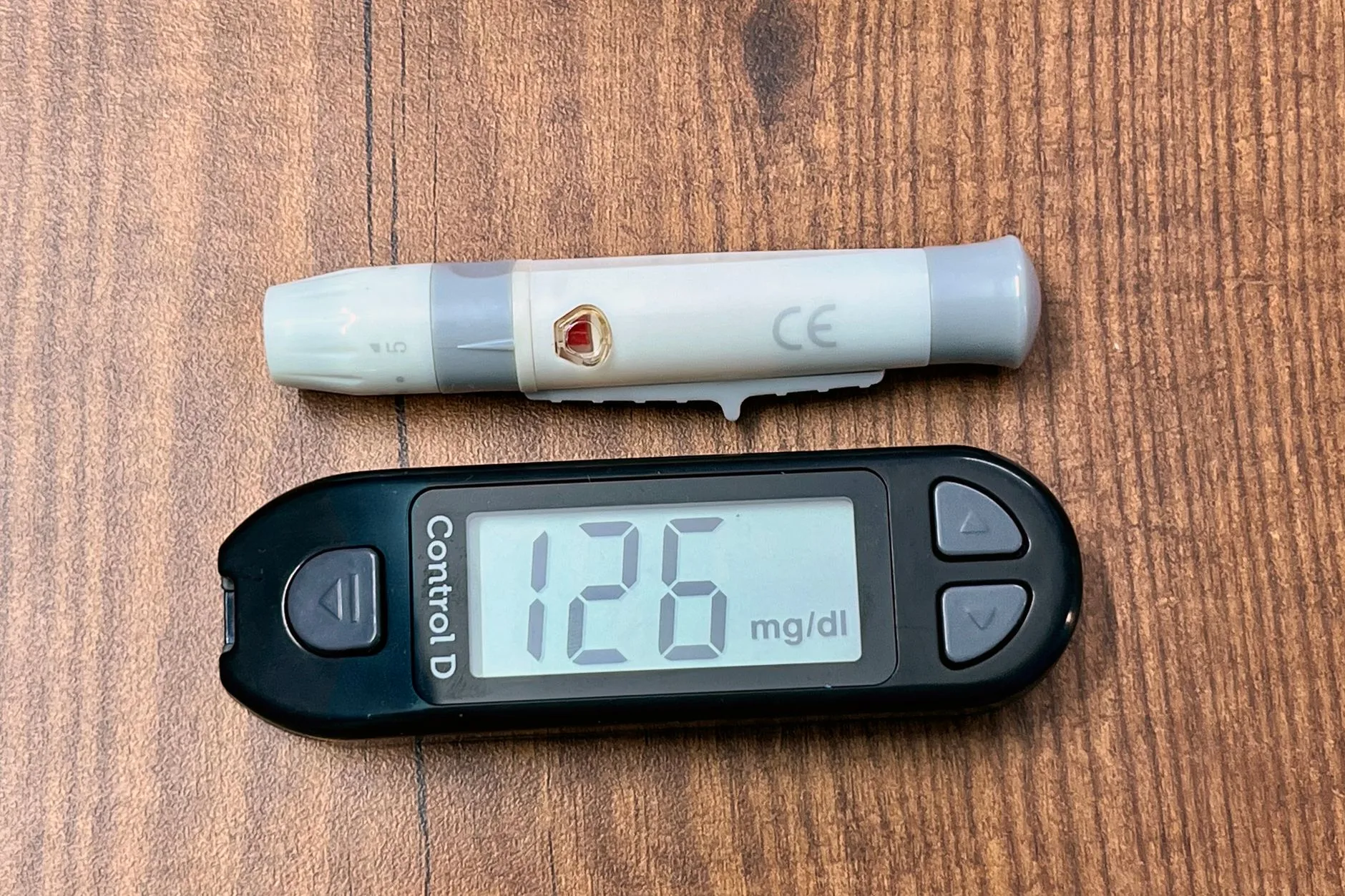
A blood sugar reading of 174 mg/dL is considered elevated and warrants immediate attention to understand what caused it and how to bring levels back into a healthy range. Health experts confirm that sustained glucose levels above 140 mg/dL, especially when measured two hours after meals, indicate poor glycemic control and increase the risk of long-term complications. Understanding whether your reading is a one-time spike or part of a pattern is crucial for determining the right intervention strategy.
Understanding Blood Sugar Levels: What 174 mg/dL Means
A blood glucose reading of 174 mg/dL falls squarely into the category of hyperglycemia, or high blood sugar. To understand the significance of this number, it helps to know the standard blood glucose ranges established by health organizations worldwide. According to medical guidelines, fasting blood sugar should ideally be below 100 mg/dL for non-diabetic individuals, while readings between 100-125 mg/dL are considered prediabetic. A reading of 174 mg/dL exceeds these thresholds substantially and indicates that your body is struggling to regulate glucose effectively.
The context in which the reading was taken matters significantly. If this was a fasting measurement (no food for 8+ hours), it represents a more serious concern than if it was taken shortly after eating. Post-meal glucose spikes are more tolerable and typically return to normal within a couple of hours in healthy individuals. However, even post-meal readings that remain at 174 mg/dL suggest that your pancreas may not be producing sufficient insulin or your cells are not responding adequately to the insulin present.
Diagnostic Thresholds and Classification
Medical professionals use specific diagnostic criteria to classify blood sugar readings. A single reading of 174 mg/dL does not automatically diagnose diabetes, but it does signal that further investigation and lifestyle changes are necessary. For a formal diabetes diagnosis, doctors typically look for either a fasting glucose of 126 mg/dL or higher, or a random glucose level of 200 mg/dL or higher accompanied by symptoms of hyperglycemia.
Common Causes of Elevated Blood Sugar Levels
Elevated blood sugar can result from multiple factors, both temporary and chronic. Understanding what might have caused your 174 mg/dL reading is the first step toward addressing it. Stress, illness, hormonal changes, and poor sleep quality can all trigger temporary spikes in blood glucose. These situational factors activate your body’s fight-or-flight response, prompting the liver to release stored glucose into the bloodstream—a natural survival mechanism that becomes problematic when it occurs frequently or intensely.
Dietary choices represent one of the most controllable causes of high blood sugar. Consuming foods high in refined carbohydrates, added sugars, and processed ingredients causes rapid glucose spikes. White bread, sugary drinks, pastries, and even seemingly healthy items like flavored yogurt and fruit juices can send blood sugar soaring within minutes. Physical inactivity compounds this problem, as muscles rely on glucose for energy, and lack of exercise means less glucose is being utilized.
Underlying Health Conditions
Beyond lifestyle factors, certain medical conditions increase the risk of consistently elevated blood sugar. Insulin resistance—a condition in which cells fail to respond normally to insulin—is increasingly common and often precedes type 2 diabetes. Polycystic ovary syndrome (PCOS), metabolic syndrome, and chronic inflammation can all impair glucose metabolism. Additionally, conditions affecting the pancreas, such as pancreatitis or cystic fibrosis, may reduce insulin production. Hormonal disorders like hyperthyroidism and Cushing’s syndrome can also elevate glucose levels.
Immediate Health Risks and Long-Term Complications
While a single reading of 174 mg/dL is not immediately life-threatening, chronically elevated blood sugar poses serious health consequences. In the short term, persistently high glucose can lead to diabetic ketoacidosis in type 1 diabetes or hyperosmolar hyperglycemic state in type 2 diabetes—both medical emergencies that require hospitalization. More commonly, sustained hyperglycemia causes damage to blood vessels and nerves over months and years.
The long-term complications of unmanaged high blood sugar are extensive and costly to both individuals and healthcare systems. Damage to small blood vessels (microvascular complications) can result in diabetic retinopathy, which threatens vision, and diabetic nephropathy, which impairs kidney function. Damage to larger blood vessels (macrovascular complications) increases the risk of heart attack and stroke. Neuropathy—nerve damage—can cause pain, numbness, and loss of function, particularly in the feet. Additionally, high blood sugar impairs immune function, making infections more likely and harder to treat.
The Prediabetic Window: A Critical Opportunity
For those with readings like 174 mg/dL who have not yet received a diabetes diagnosis, the prediabetic stage represents a crucial window of opportunity. Research demonstrates that lifestyle interventions at this stage—dietary changes, regular physical activity, and weight loss if needed—can reverse the trend and prevent progression to type 2 diabetes. Studies such as the Diabetes Prevention Program have shown that intensive lifestyle modification reduces diabetes incidence by nearly 60% in high-risk individuals.
Practical Steps to Bring Blood Sugar Back to Healthy Levels
If you have received a blood sugar reading of 174 mg/dL, several evidence-based strategies can help restore healthy glucose levels. The most impactful changes involve diet and physical activity, as these directly influence insulin sensitivity and glucose metabolism. Begin by eliminating or drastically reducing sources of refined carbohydrates and added sugars. Replace white bread, pasta, and rice with whole grain alternatives that digest more slowly and cause smaller glucose spikes. Include adequate protein and healthy fats with each meal, as these macronutrients slow carbohydrate absorption and promote satiety.
Physical activity is equally critical. Aim for at least 150 minutes of moderate-intensity aerobic exercise per week, combined with resistance training two or more days per week. Even brief activity—such as a 15-minute walk after meals—demonstrably reduces blood sugar spikes. Strength training is particularly effective because it builds muscle mass, which serves as a glucose sink; muscles consume glucose without requiring insulin when contracting.
Monitoring and Professional Guidance
Regular blood sugar monitoring provides crucial feedback on what works for your body. If you have been diagnosed with prediabetes or diabetes, ask your healthcare provider about home glucose monitoring devices or continuous glucose monitors. Many people benefit from working with a registered dietitian who can create a personalized nutrition plan addressing their specific health needs and preferences. Sleep quality and stress management should not be overlooked—poor sleep and chronic stress both impair glucose control through hormonal mechanisms.
When to Seek Medical Attention
A single elevated reading warrants investigation, but it does not necessarily indicate an emergency. However, if you experience symptoms associated with high blood sugar—increased thirst, frequent urination, fatigue, blurred vision, or unexplained weight loss—you should schedule an appointment with your primary care physician promptly. If you experience symptoms of diabetic ketoacidosis, such as difficulty breathing, confusion, or fruity-smelling breath, seek emergency medical care immediately.
Your healthcare provider may recommend follow-up testing, such as a hemoglobin A1C test, which reflects average blood glucose over the previous 2-3 months. This test provides a more complete picture than a single reading and helps determine whether your elevated glucose is a temporary spike or part of a chronic pattern requiring intervention. Based on these results, your doctor may recommend lifestyle modifications, medications, or both.
💡 What This Means
A blood sugar level of 174 mg/dL signals that your body’s glucose regulation system needs support. For individuals working to manage their blood sugar through comprehensive approaches—including dietary choices, physical activity, and targeted nutritional support—understanding what this reading means is the foundation for effective intervention. The prediabetic stage offers a critical window to prevent progression to type 2 diabetes through lifestyle changes and potentially with the support of evidence-based glucose management supplements. Taking action now with proper medical guidance can dramatically improve long-term health outcomes.
Sources
For individuals focused on blood sugar control, understanding what a 174 mg/dL reading means is the crucial first step toward taking effective action. Beyond dietary changes and exercise, many people find that comprehensive glucose management supplements specifically formulated to support healthy blood sugar levels can complement their lifestyle efforts and help stabilize glucose throughout the day. Explore Science-Based Glucose Support Supplements