What is the best way to lower blood sugar?
The best way to lower blood sugar combines diet, movement, sleep, and support. See the evidence-based methods that work fastest and last longest.
The best way to lower blood sugar is a combination of consistent physical activity, a fiber-rich and low-refined-carb diet, adequate hydration, quality sleep, and stress management — supported when appropriate by medical guidance. No single trick works alone; steady daily habits produce the most reliable and lasting results.
Key Takeaways
- Movement matters most short-term: A 10–15 minute walk after meals can cut post-meal glucose spikes significantly.
- Fiber and protein slow absorption: Eating vegetables and protein before carbs flattens the glucose curve.
- Sleep and stress are underrated: Poor sleep raises fasting glucose the next morning.
- Hydration helps: Water supports the kidneys in clearing excess glucose.
- Consistency beats intensity: Small daily habits outperform occasional extreme efforts.
What Does It Mean to “Lower” Blood Sugar?
The key takeaway: Lowering blood sugar means reducing the concentration of glucose in your bloodstream toward a healthy range, both after meals (postprandial) and while fasting.
Blood glucose is the sugar your body uses for energy, regulated primarily by insulin, a hormone produced by the pancreas. When cells become resistant to insulin or the body produces too little, glucose accumulates in the blood.
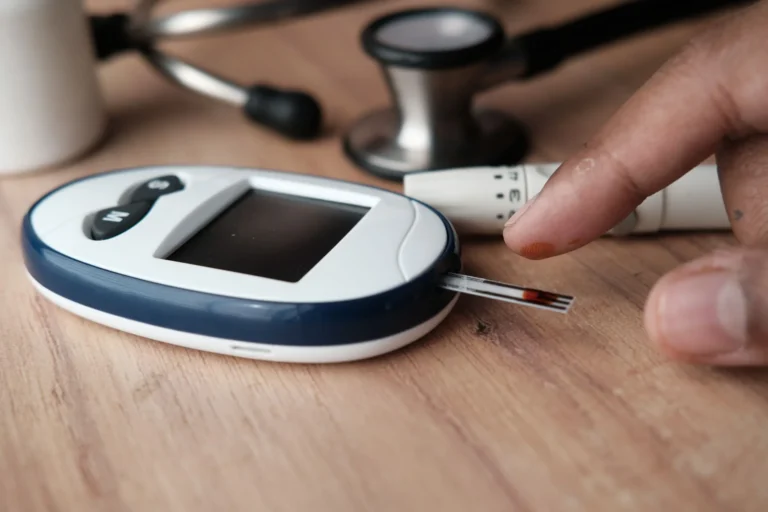
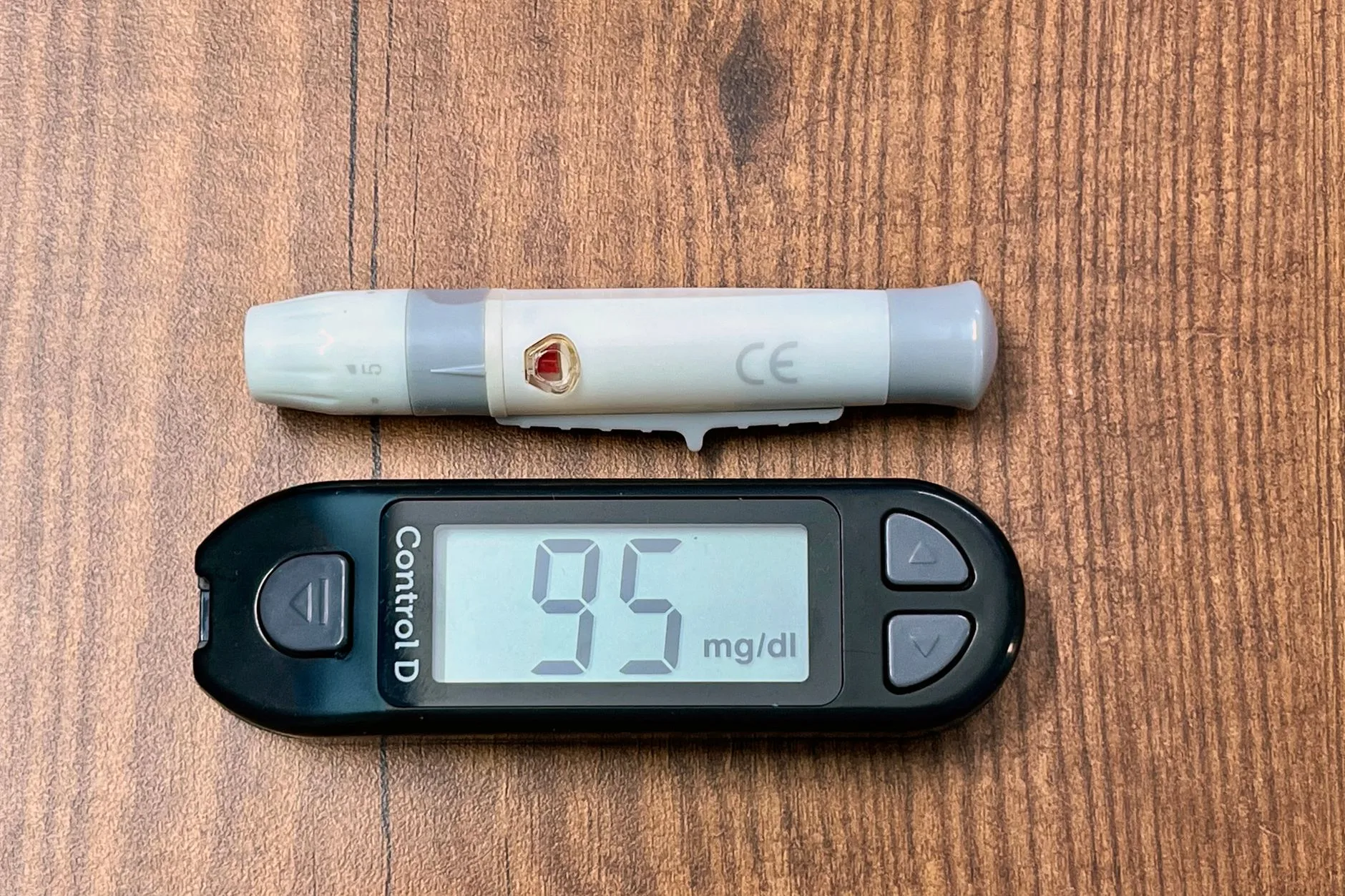
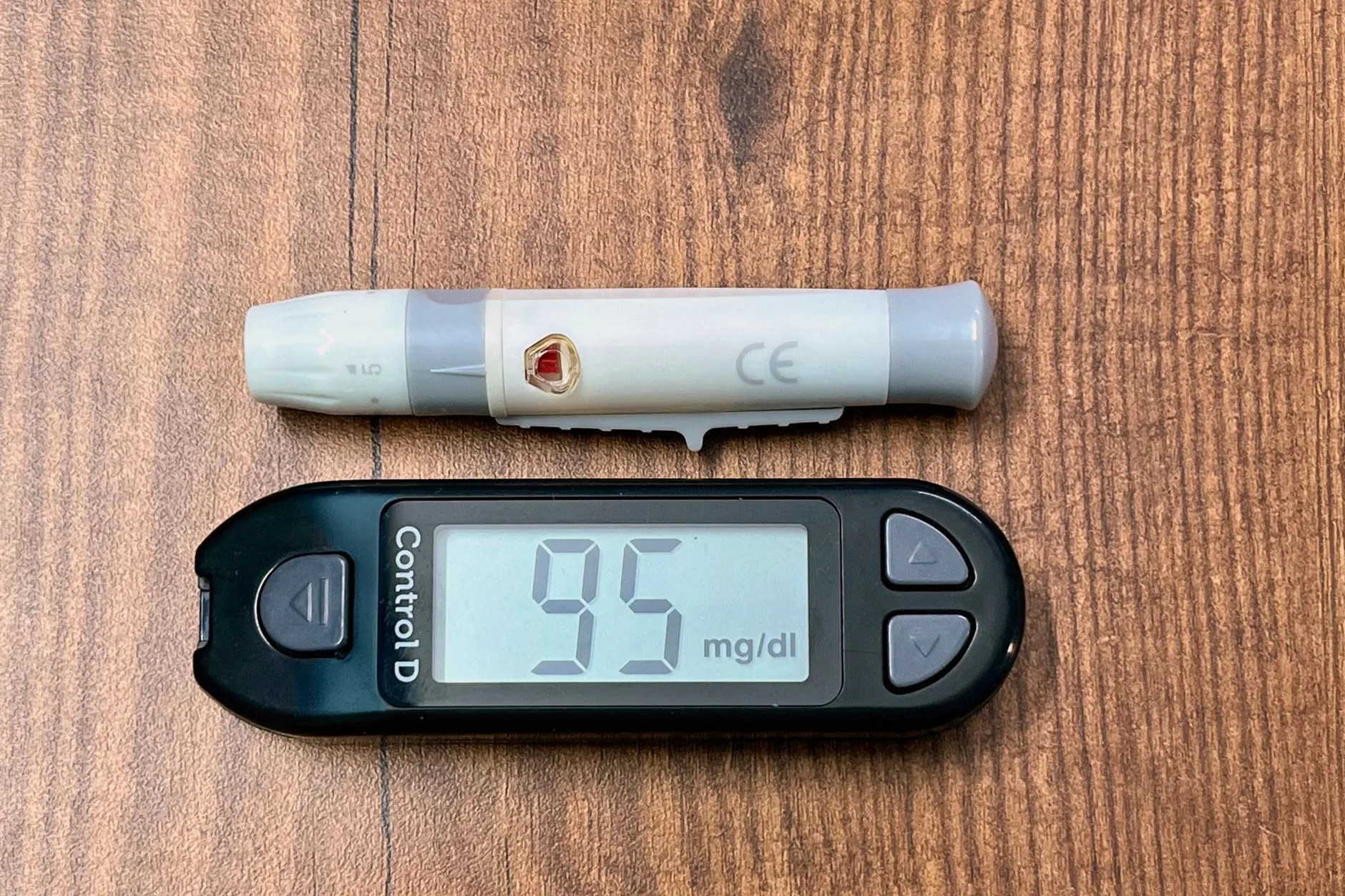
According to the U.S. Centers for Disease Control and Prevention, a normal fasting blood glucose is below 100 mg/dL, while 100–125 mg/dL indicates prediabetes. Understanding your baseline is the first step toward effective natural glucose control.
Why Blood Sugar Rises — and Why Control Matters

In our analysis, the most common causes of elevated glucose are refined carbohydrates, sedentary routines, chronic stress, and poor sleep — often working together.
When glucose stays high over time, it damages blood vessels, nerves, and organs. This is why sustained glucose level management reduces the risk of complications tied to type 2 diabetes, including kidney disease, vision loss, and cardiovascular events.
The World Health Organization reports that the number of people living with diabetes has risen sharply over recent decades, making prevention and daily control a priority for public health.
What Is the Fastest Way to Lower Blood Sugar Naturally?
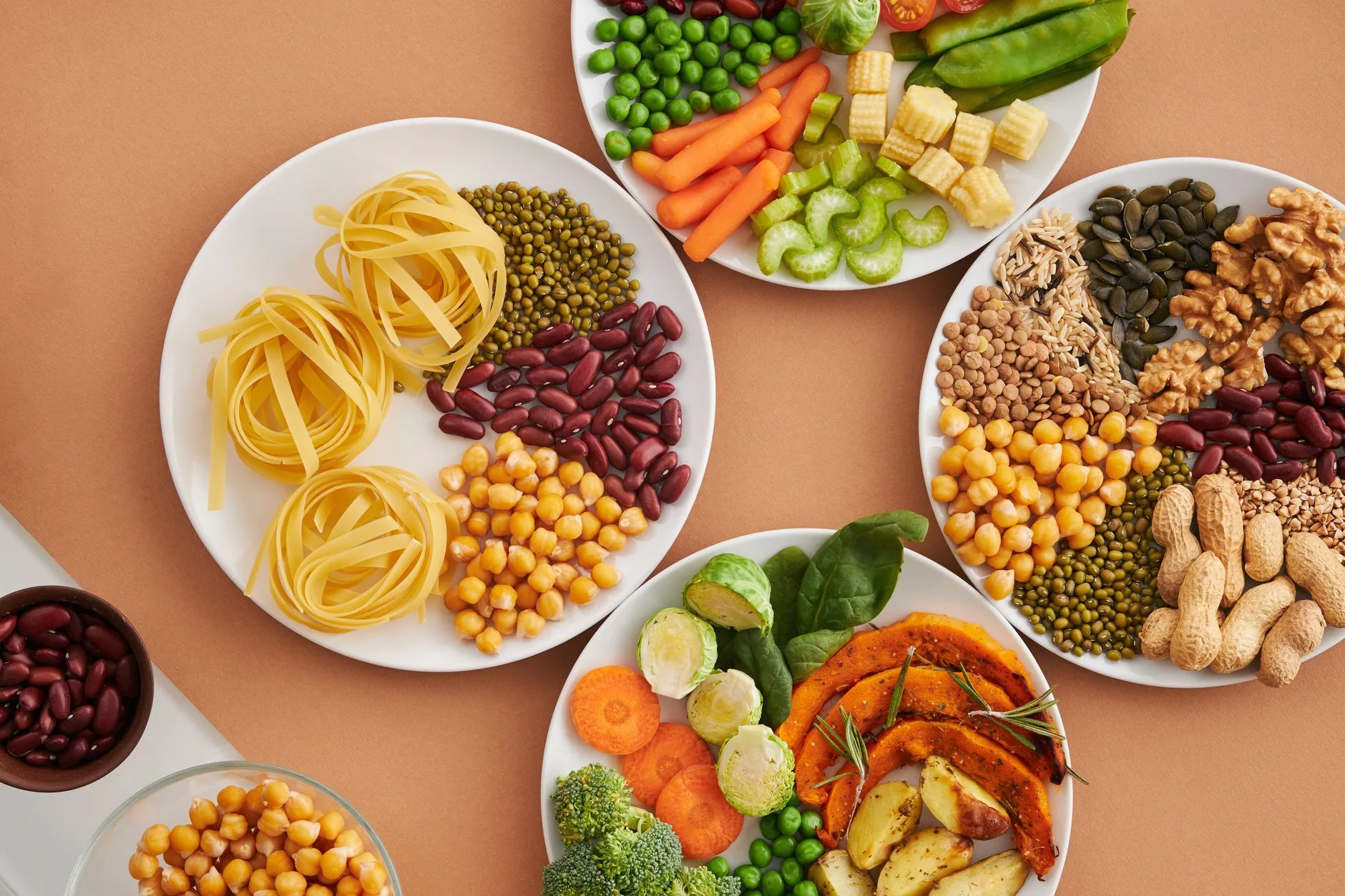
Em resumo: The fastest safe methods are light physical activity right after eating and drinking water — both help move glucose out of the bloodstream within minutes to hours.
A short walk activates muscle cells to absorb glucose without needing extra insulin. Research summarized by PubMed-indexed studies shows that even 2–5 minutes of walking after a meal can meaningfully blunt glucose spikes.
Hydration also plays a role. Adequate water intake helps the kidneys filter and excrete surplus glucose through urine, supporting your body’s natural balance.
Quick-Acting Habits
- Walk 10–15 minutes after meals — the single most researched immediate strategy.
- Drink a full glass of water — supports renal glucose clearance.
- Add vinegar or lemon to meals — acetic acid may slow carbohydrate digestion.
- Practice slow breathing — reduces stress hormones that raise glucose.
The Best Long-Term Way to Lower Blood Sugar
The key takeaway: Lasting results come from repeatable daily habits — nutrition, movement, sleep, and stress control — rather than quick fixes.
1. Eat for a Flatter Glucose Curve
Prioritize non-starchy vegetables, lean protein, healthy fats, and high-fiber whole foods. Eating vegetables and protein before carbohydrates in a meal slows glucose absorption and reduces the spike.
Minimize sugary drinks, white bread, and ultra-processed snacks. These raise glucose quickly and leave you hungry sooner.
2. Move Consistently
Aim for at least 150 minutes of moderate activity per week, as recommended by the U.S. Department of Health and Human Services Physical Activity Guidelines. Both aerobic exercise and resistance training improve insulin sensitivity.
3. Protect Your Sleep
Poor or short sleep increases insulin resistance and raises next-morning fasting glucose. Seven to nine hours of quality sleep supports metabolic health more than most people expect.
4. Manage Stress
Chronic stress keeps cortisol elevated, which signals the liver to release more glucose. Techniques like breathing exercises, walking, and mindfulness help keep this in check.
Foods That Help Lower Blood Sugar
Em resumo: The most effective foods are high in fiber, protein, or healthy fats and low in refined carbohydrates.
| Food | Why It Helps | Best Use |
|---|---|---|
| Leafy greens | Very low carb, high fiber | Base of any meal |
| Beans & lentils | Slow-digesting fiber + protein | Replace refined carbs |
| Nuts & seeds | Healthy fats slow absorption | Snack instead of chips |
| Berries | Lower sugar, antioxidant-rich | Instead of sweet desserts |
| Fatty fish | Omega-3s support metabolism | 2–3 times weekly |
| Cinnamon | May improve insulin response | Add to oats or coffee |
Where Do Supplements Fit In?
The key takeaway: Supplements are a supporting tool — never a replacement for diet, activity, or prescribed medical care.
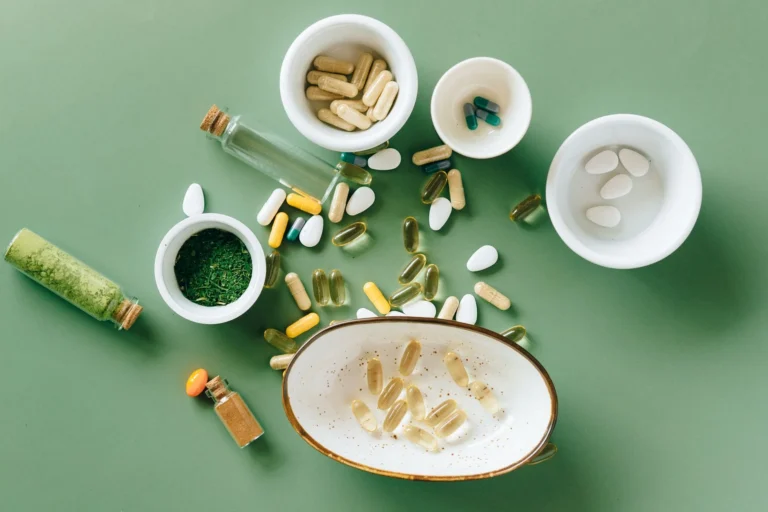
We’ve found that people managing glucose often look for a natural glucose control aid to complement their routine. Certain ingredients — such as berberine, chromium, and cinnamon extract — have been studied for their potential role in metabolic health support.
Formulas positioned as a type 2 diabetes supplement or blood sugar stabilizer, including options like GlycoPezil, are typically built around this idea of complementing healthy habits rather than replacing them. We recommend treating any such product as one part of a broader plan and discussing it with your healthcare provider first.
Medical disclaimer: This article is for informational purposes only and does not replace professional medical advice. Never stop or adjust prescribed diabetes medication without consulting your doctor. Individual results vary.
A Unique Insight: The “Sequence Effect” Most Guides Miss
In our analysis, one of the most overlooked levers is meal sequencing — the order in which you eat foods within a single meal.
Eating fiber and protein first, then fats, and saving carbohydrates for last can lower the post-meal glucose peak without changing what you eat — only the order. For many people, this simple habit is easier to sustain than restrictive diets and delivers measurable improvements in glucose level management.
Common Mistakes to Avoid
Do This
- Walk after meals
- Eat protein and fiber first
- Hydrate throughout the day
- Prioritize consistent sleep
- Track your numbers regularly
Avoid This
- Skipping meals then overeating
- Relying only on supplements
- Sugary “healthy” drinks and juices
- Ignoring stress and sleep
- Extreme crash diets
Frequently Asked Questions
What is the single best way to lower blood sugar quickly?
The fastest safe method is light physical activity, such as a 10–15 minute walk, immediately after eating. Muscle contraction pulls glucose from the bloodstream without requiring additional insulin, making it the most reliable short-term strategy.
Can drinking water lower blood sugar?
Yes, staying well hydrated supports the kidneys in filtering and excreting excess glucose through urine. Water does not replace medical treatment, but adequate intake helps your body maintain a healthier glucose balance.
Do natural supplements really help control blood sugar?
Some ingredients studied for a type 2 diabetes supplement — like berberine and chromium — show potential in supporting insulin response. However, supplements work best as a complement to diet and exercise, not as a standalone solution, and should be discussed with a doctor.
How long does it take to lower blood sugar naturally?
Post-meal walks and hydration can affect glucose within minutes to hours. Broader improvements in fasting glucose and insulin sensitivity from diet, exercise, and sleep typically become measurable over several weeks of consistent habits.
Is meal timing or meal order more important?
Both matter, but meal order — eating fiber and protein before carbohydrates — is a simple, evidence-supported way to flatten glucose spikes without changing the food itself, making it easy to maintain long-term.
Conclusion
The best way to lower blood sugar is not one action but a system: move after meals, build fiber and protein into every plate, hydrate, sleep well, and manage stress. These habits reinforce each other and produce results that last.
Supplements and targeted formulas can support this foundation, but they work best alongside — never instead of — daily lifestyle choices and professional medical guidance.
Building a sustainable routine for natural glucose control takes the right information and consistent support. If you’re exploring how a 100% natural formula might complement your diet and activity habits, GlycoPezil is one resource worth reviewing as part of a broader metabolic health plan.
Always pair any supplement with the lifestyle strategies covered in this guide and a conversation with your healthcare provider.