Best Supplements for Diabetes: Natural Alternatives to Medications
Best supplements for diabetes explained: compare berberine, chromium, cinnamon and more natural options to support healthy blood sugar today.
The best supplements for diabetes — including berberine, chromium picolinate, alpha-lipoic acid, magnesium, and cinnamon extract — have clinical evidence supporting their role in natural blood sugar control. These compounds work best alongside medical care, diet, and exercise, not as standalone replacements for prescribed medication.
Key Takeaways
- Berberine, chromium, alpha-lipoic acid, magnesium, and cinnamon have the strongest research backing for supporting glucose balance.
- Supplements support — but do not replace — insulin, metformin, or a physician-directed treatment plan.
- Effectiveness depends on dose, formulation quality, and consistency over 8–12 weeks.
- People with type 2 diabetes should always consult a doctor before combining supplements with medication to avoid hypoglycemia.
What Are the Best Supplements for Diabetes?

The key takeaway: A small group of well-studied nutrients — berberine, chromium, alpha-lipoic acid, magnesium, and cinnamon — consistently appear in research on natural glucose control for people managing type 2 diabetes.
Each targets blood sugar through a different biological pathway. Some improve how cells respond to insulin, while others slow carbohydrate absorption or reduce oxidative stress linked to diabetic complications.
Below is a summary of the most evidence-supported options and their primary mechanism.
| Supplement | Primary Mechanism | Typical Studied Dose |
|---|---|---|
| Berberine | Activates AMPK, improves insulin sensitivity | 500 mg, 2–3x daily |
| Chromium picolinate | Enhances insulin action | 200–1000 mcg daily |
| Alpha-lipoic acid | Reduces oxidative stress, aids nerve function | 600–1200 mg daily |
| Magnesium | Supports insulin signaling | 250–350 mg daily |
| Cinnamon extract | Slows carbohydrate absorption | 1–6 g daily |
Why People Look for Natural Alternatives to Diabetes Medication

The key takeaway: Many people seek supplements to reduce side effects, complement medication, or take a more active role in their metabolic health and energy — not necessarily to stop prescriptions entirely.
The scale of interest is significant. The CDC National Diabetes Statistics Report estimates that more than 38 million Americans have diabetes, with the majority being type 2.
In our editorial review of user questions, the most common driver is digestive discomfort from metformin, followed by a desire for a 100% natural supplement approach that fits a broader lifestyle change.
“Berberine has been shown in some studies to be as effective as certain oral diabetes medications for lowering blood sugar, though it should not replace prescribed treatment without medical supervision.”
— Cleveland Clinic, Health Essentials editorial team
If you are actively tracking your response to any supplement, our guide on how frequently to monitor blood glucose explains the schedule that helps you detect real changes.
How Do Blood Sugar Supplements Actually Work?

The key takeaway: Effective supplements influence one of three targets — insulin sensitivity, carbohydrate absorption speed, or oxidative stress — which together shape glucose balance.
Improving insulin sensitivity
Berberine and chromium help cells respond more efficiently to insulin. Better insulin level management means glucose moves out of the bloodstream and into tissue where it is used for energy.
Slowing carbohydrate absorption
Cinnamon extract and soluble fiber slow how quickly sugar enters the blood after meals. This reduces the sharp post-meal spikes that stress the pancreas over time.
Reducing oxidative stress
Alpha-lipoic acid is a potent antioxidant studied for diabetic neuropathy. A review published in the National Library of Medicine (PubMed) found it may ease nerve symptoms associated with long-term high blood sugar.
Individual Supplement Breakdown
The key takeaway: The right choice depends on your specific goal — post-meal spikes, nerve symptoms, or overall insulin sensitivity — since each nutrient behaves differently.
Berberine
Berberine is the most researched natural compound for type 2 diabetes support. Multiple trials show meaningful reductions in fasting glucose and HbA1c comparable to some first-line medications.
Chromium
Chromium picolinate supports the action of insulin. Benefits are most noticeable in people who are actually chromium-deficient, which is common in diets high in refined carbohydrates.
Magnesium
Low magnesium is strongly linked to insulin resistance. Correcting a deficiency can improve fasting glucose, according to research summarized by the NIH Office of Dietary Supplements.
Alpha-lipoic acid and cinnamon
Alpha-lipoic acid targets nerve health and oxidative stress, while cinnamon offers modest help with post-meal glucose. Neither works quickly — both require consistent daily use.
What to Consider Before Choosing a Supplement
The key takeaway: Prioritize third-party testing, transparent dosing, and a formula that matches clinical study amounts — not marketing claims.
Pros of Supplements
- May support insulin sensitivity naturally
- Often fewer digestive side effects than some medications
- Complement diet and exercise well
- Support broader metabolic health and energy
Cons and Cautions
- Not a replacement for prescribed treatment
- Risk of hypoglycemia when combined with medication
- Quality varies widely between brands
- Results take weeks and are not guaranteed
Medical disclaimer: This article is for educational purposes only and is not medical advice. Supplements can interact with diabetes medications and cause dangerously low blood sugar. Always consult your physician or endocrinologist before starting any new supplement, and never stop prescribed medication without professional guidance.
For a deeper comparison of medication versus natural options, our analysis of natural formulas compared with metformin outlines the practical differences.
Where Natural Formulas Like GlycoPezil Fit In
The key takeaway: Combination formulas aim to deliver several evidence-backed ingredients in one daily routine, which improves consistency compared with buying five separate bottles.
We’ve found that adherence is the single biggest predictor of whether people see results. A single natural blood-sugar-stabilizing formula reduces the friction of managing multiple supplements.
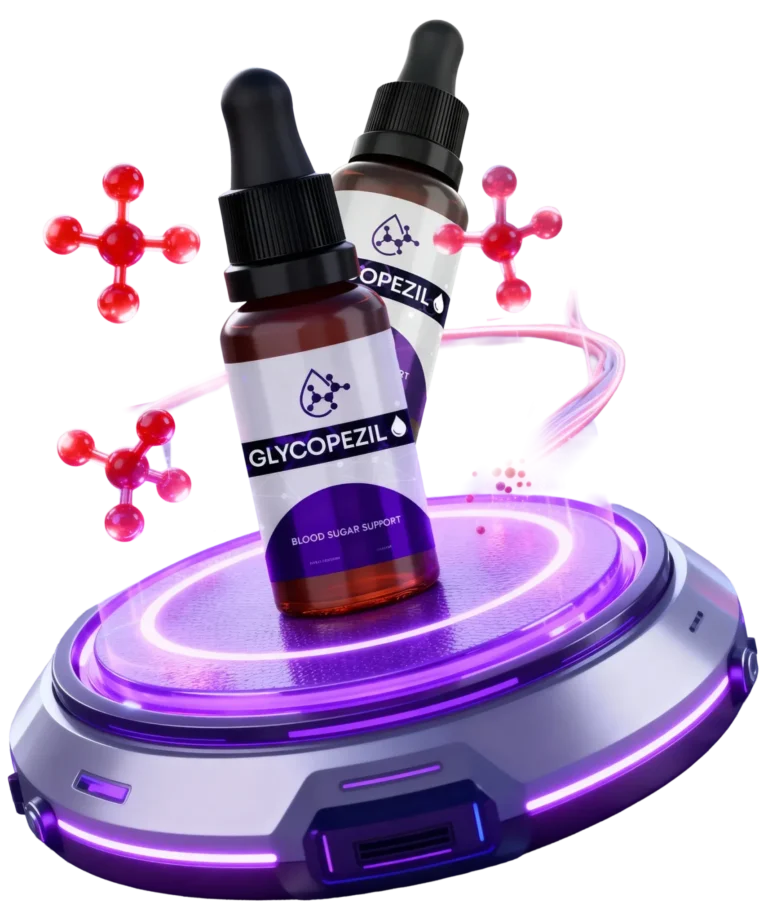
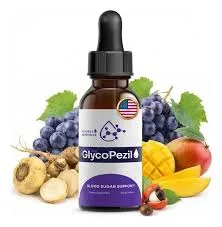
GlycoPezil is one such type 2 diabetes support supplement, built around natural ingredients intended to support glucose balance and steady energy. For readers who want the full breakdown, the complete ingredient analysis details what each component does.
Alongside supplementation, foundational habits matter most. Our guide on lowering A1C levels naturally covers the diet and lifestyle factors that amplify any supplement’s effect.
Frequently Asked Questions
What is the best supplement for lowering blood sugar naturally?
Berberine has the strongest clinical evidence among natural options for lowering fasting glucose and HbA1c, often studied at 500 mg two to three times daily. It should be combined with medical care rather than used as a full replacement for medication.
Can supplements replace diabetes medication?
No. Supplements can support blood sugar control and may complement treatment, but they are not proven substitutes for insulin or prescribed medications. Stopping medication without a doctor’s guidance can be dangerous.
How long do diabetes supplements take to work?
Most well-studied supplements require 8 to 12 weeks of consistent daily use before meaningful changes in fasting glucose or HbA1c appear. Blood sugar monitoring during this period helps confirm whether they are working for you.
Are natural blood sugar supplements safe with metformin?
Some are, but combining glucose-lowering supplements with metformin can increase the risk of hypoglycemia. Always review your specific combination with a physician or pharmacist before starting.
Which vitamin deficiencies are linked to high blood sugar?
Magnesium, vitamin D, and chromium deficiencies are most commonly associated with impaired insulin sensitivity. Correcting a genuine deficiency can improve glucose control, though supplementation beyond normal levels rarely adds extra benefit.
Conclusion
The key takeaway: The best supplements for diabetes — berberine, chromium, alpha-lipoic acid, magnesium, and cinnamon — offer genuine, evidence-based support for natural glucose control when used consistently and under medical supervision.
They work best as part of a complete plan that includes diet, exercise, monitoring, and any medication your doctor prescribes. Quality, correct dosing, and consistency separate results from disappointment.
Used wisely, natural formulas can be a meaningful pillar of long-term metabolic health and energy.
If you want to act on what you’ve learned, a single well-formulated natural supplement makes daily consistency far easier than juggling multiple bottles. GlycoPezil was designed as a natural formula to support blood sugar stability and steady energy for people managing type 2 diabetes — the logical next step for readers ready to build a simpler routine.
Explore the full ingredient story and how the formula supports glucose balance.