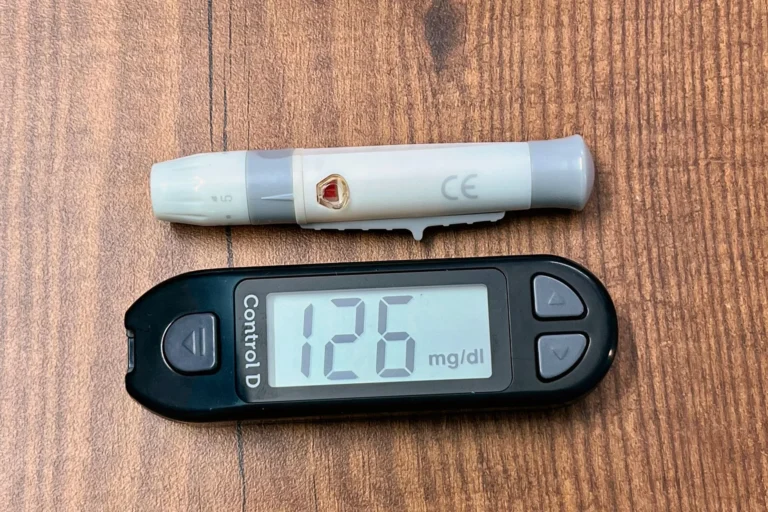
This Popular Fiber Supplement Is Said to Help With Weight Loss, Cholesterol, and Blood Sugar, but Does It Really Work? – Yahoo Health
Fiber supplements have become increasingly popular among consumers seeking natural solutions for weight management, cholesterol reduction, and blood sugar control. According to recent health investigations, millions of Americans turn to these over-the-counter products with high expectations, but the evidence supporting their effectiveness remains mixed and often more modest than marketing claims suggest.
The Growing Market for Fiber Supplements
The global dietary fiber supplement market has experienced substantial growth over the past decade, driven by consumer awareness of fiber’s role in digestive health and metabolic function. Fiber supplements come in various forms, including powders, capsules, gummies, and drinks, with popular brands claiming to address multiple health concerns simultaneously. These products often position themselves as convenient alternatives to obtaining adequate fiber through whole foods, appealing to time-constrained consumers seeking quick solutions.
Market research indicates that consumers are willing to spend significant amounts on these supplements, viewing them as accessible interventions for managing weight and metabolic markers. The marketing landscape for fiber products has evolved considerably, with companies emphasizing multi-benefit claims that extend beyond basic digestive support to weight loss, heart health, and glucose regulation.
Understanding Fiber’s Role in Metabolic Health
Blood Sugar Regulation and Glucose Management
Soluble fiber, particularly types like beta-glucans and psyllium, has demonstrated measurable effects on postprandial glucose response in clinical studies. When consumed with meals, these fiber types can slow gastric emptying and reduce the rate at which glucose enters the bloodstream, creating a moderating effect on blood sugar spikes. This physiological mechanism forms the scientific foundation for many blood sugar-related supplement claims.
However, the magnitude of this effect varies considerably depending on fiber type, dosage, individual metabolic characteristics, and the composition of meals consumed alongside the supplement. Research published in peer-reviewed nutrition journals indicates that while fiber supplementation can contribute to blood sugar management, the improvements are often more modest than consumer expectations, typically resulting in small to moderate reductions in glycemic response rather than dramatic changes.
Weight Management and Satiety Effects
Fiber’s role in weight management centers on its ability to increase feelings of fullness and reduce overall caloric intake. Soluble fiber expands in the digestive tract, creating greater gastric distension and signaling satiety to the brain. Several clinical trials have documented modest weight loss associated with fiber supplementation, with average reductions typically ranging from two to five pounds over eight to twelve weeks when combined with dietary modifications.
The effectiveness of fiber supplements for weight loss depends heavily on whether they result in sustained behavioral changes and reduced caloric intake. Without concurrent dietary improvements and increased physical activity, fiber supplements alone demonstrate limited sustained weight loss outcomes. Additionally, some individuals experience gastrointestinal side effects such as bloating, gas, and cramping, which may limit compliance with supplementation regimens.
Cholesterol Reduction: Promise and Reality
The cholesterol-lowering properties of certain fiber types, particularly soluble fibers like oat beta-glucan and psyllium, have been well-documented in clinical research. These fibers can bind to cholesterol particles in the digestive tract, reducing their reabsorption and promoting excretion. Studies indicate that adequate soluble fiber intake can modestly reduce LDL cholesterol levels, contributing to improved lipid profiles when used as part of comprehensive dietary strategies.
Despite this evidence, the magnitude of cholesterol reduction from supplementation typically ranges from 5-15%, significantly less than pharmaceutical interventions like statins. Health professionals emphasize that fiber supplementation works best as one component of a broader approach that includes diet quality, physical activity, weight management, and when medically indicated, pharmaceutical therapy. For individuals with significantly elevated cholesterol levels or existing cardiovascular disease, fiber supplements cannot serve as a replacement for evidence-based medical treatment.
What the Research Actually Shows
Clinical Evidence and Study Limitations
Meta-analyses examining fiber supplementation reveal a pattern of modest, measurable but clinically significant effects across multiple health outcomes. A comprehensive review of randomized controlled trials found that fiber supplementation consistently produces small improvements in blood sugar control, with average reductions in fasting glucose and HbA1c that are statistically significant but often clinically modest. Similarly, weight loss outcomes from supplementation alone average between 1-2 pounds, with greater results achieved when combined with comprehensive lifestyle modifications.
Important research limitations affect the interpretation of current evidence. Many studies employ relatively short intervention periods of 8-16 weeks, making it difficult to assess long-term sustainability of effects. Additionally, publication bias may favor studies with positive findings, potentially overstating the average effectiveness of supplementation across the broader population. Individual variation in response to fiber supplementation is substantial, with some individuals experiencing notable benefits while others see minimal changes regardless of dosage.
Safety Considerations and Practical Concerns
While fiber supplementation is generally well-tolerated at appropriate dosages, safety considerations exist for specific populations. Individuals with intestinal obstruction, severe inflammatory bowel disease, or certain medication interactions should consult healthcare providers before supplementation. Rapid increases in fiber intake without adequate hydration can exacerbate constipation and cause digestive discomfort, highlighting the importance of gradual dosage escalation and sufficient water consumption.
Marketing Claims Versus Scientific Evidence
A significant disconnect often exists between manufacturer marketing claims and clinical evidence regarding fiber supplements. Companies frequently use language suggesting dramatic transformations in weight, cholesterol levels, and blood sugar control, while clinical research documents more modest effects. Terms like “clinically proven” require careful scrutiny, as they may reference studies with limited sample sizes, short durations, or results that lack statistical or clinical significance in real-world applications.
Regulatory oversight of dietary supplement claims remains less stringent than for pharmaceutical drugs. Manufacturers can make general wellness claims without demonstrating efficacy to the level required for medications, creating an environment where marketing aspirations sometimes exceed scientific support. Consumer education about interpreting supplement efficacy claims has become increasingly important for making informed purchasing decisions.
Incorporating Fiber Into a Comprehensive Health Strategy
Healthcare professionals and registered dietitians generally recommend obtaining fiber primarily through whole food sources, including vegetables, fruits, legumes, and whole grains, rather than relying on supplementation. Whole foods provide fiber alongside beneficial phytonutrients, minerals, vitamins, and other bioactive compounds that supplements do not contain. The recommended daily fiber intake is 25-35 grams, which most Americans fall short of achieving.
For individuals unable to meet fiber goals through food, supplementation can serve as a useful adjunctive tool rather than a primary intervention. Fiber supplements work best when integrated into comprehensive strategies that include dietary improvements, regular physical activity, weight management, stress reduction, and adequate sleep. When used in this context, fiber supplements may modestly enhance outcomes related to blood sugar control, weight management, and cholesterol reduction, but should never be viewed as standalone solutions for metabolic health challenges.
💡 What This Means
For individuals managing blood sugar levels and seeking dietary supplements for glycemic control, this research highlights the importance of realistic expectations and evidence-based decision-making. While fiber supplements can provide modest support for blood sugar management when used appropriately, they work most effectively as part of comprehensive strategies that include whole-food fiber sources, dietary modifications, and physical activity. Understanding the actual scope of supplement efficacy helps consumers and healthcare providers make informed choices about when supplementation is genuinely beneficial versus when other interventions deserve greater priority.
Sources
For individuals focused on blood glucose management, understanding the realistic benefits and limitations of fiber supplementation is essential for making informed decisions about your health strategy. Rather than relying solely on supplements, incorporate whole-food fiber sources while considering supplementation as a complementary tool under professional guidance. Learn More About Blood Sugar Support Supplements